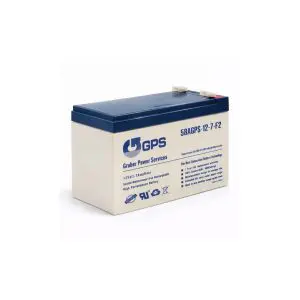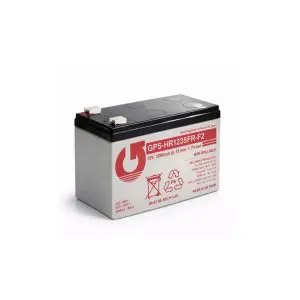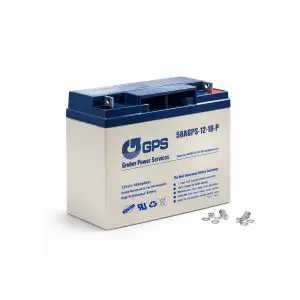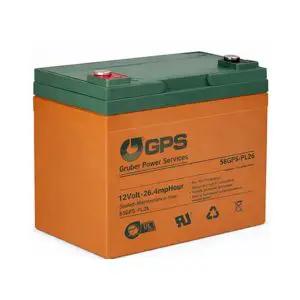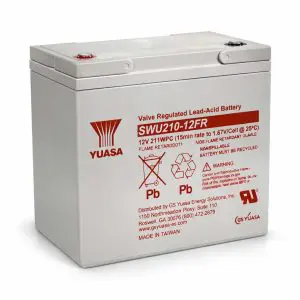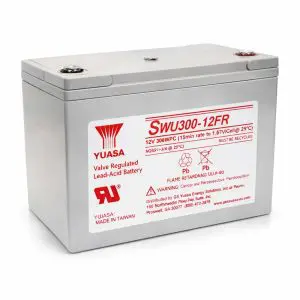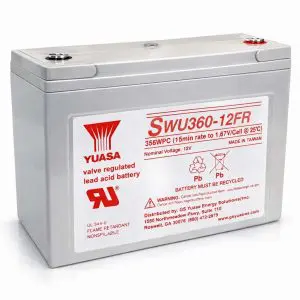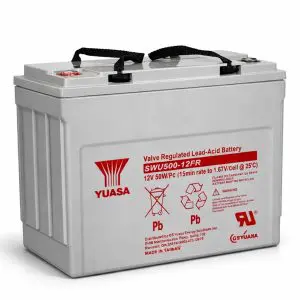

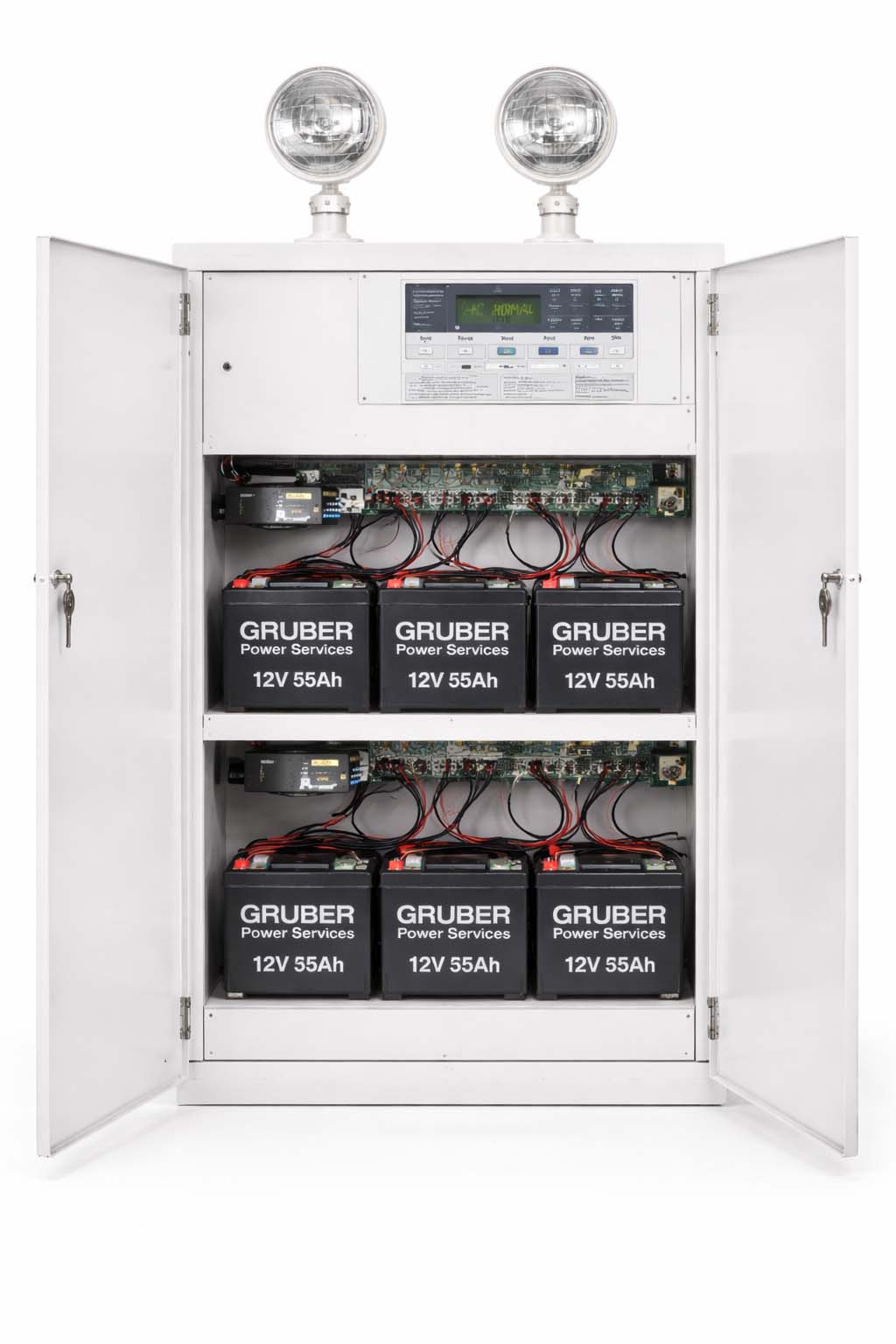
Emergency lighting isn’t “nice to have” — it’s a life-safety system. Most jurisdictions require emergency and egress illumination to remain operational for a minimum duration during loss of normal power, and inspections often verify runtime performance, battery condition, and charger/transfer functionality. If the DC plant can’t hold the required load for the required time, the entire system can fail compliance — and fail when it matters most.
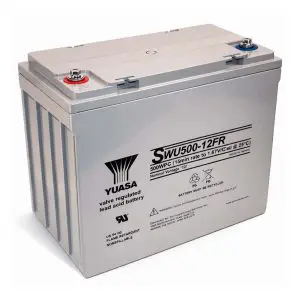
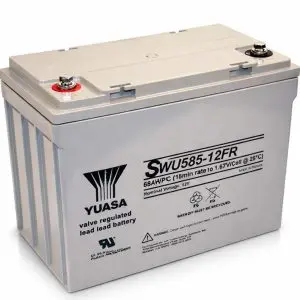
Emergency lighting batteries live on float charge for years, then must instantly deliver full power on demand. The difference between a “budget battery” and a proven brand shows up as longer service life, lower self-discharge, more stable float behavior, and more predictable runtime.
Better batteries hold capacity longer, resist premature sulfation, and tolerate real-world temperatures far better — which means fewer failed inspections and fewer midnight emergencies.
Showing all 10 results